Consulting Collectives: an old spatial instinct
Consulting collectives are a guild logic in new form. Why the Waag in Amsterdam proves this behavior is centuries old.
#010
Observation
A wave of former corporate high performers are quietly banding into consulting collectives. These are independent operators who keep their own clients, their own rates, their own businesses, but team up to bid on the bigger jobs none of them could land alone, splitting only what that specific project earns. Everyone's talking about it like it's a fresh idea in the future of independent work. It isn't new.
Interpretation
What these people are actually chasing is a very specific, very old human need: full autonomy on your own terms, plus access to real collective firepower the moment a job demands more than one person can deliver. That need doesn't just show up in how people structure their client work, but in how they want to occupy a building, a desk, a room, and physical space has been scrambling to catch up with it for years.
Pattern
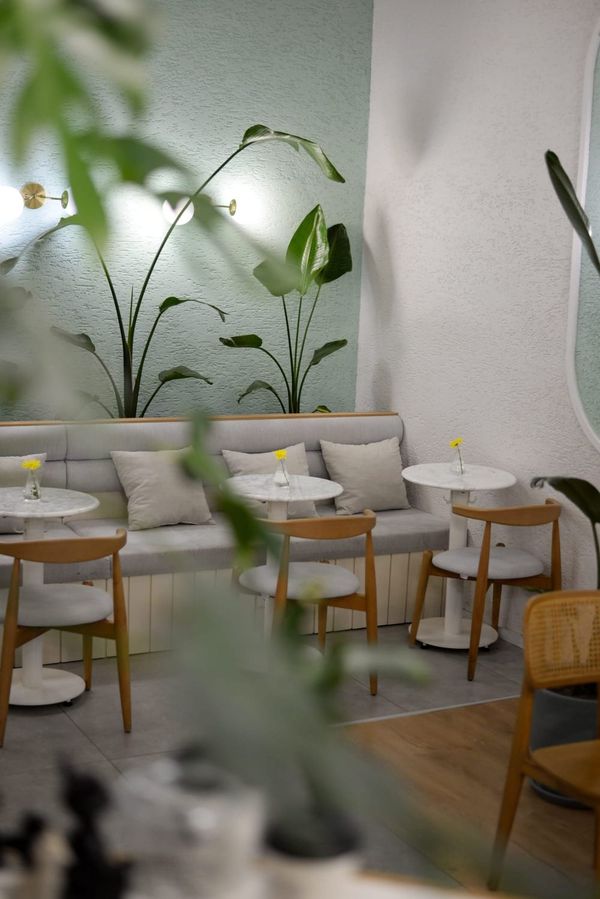
Look at how people actually behave inside flexible workspace right now. Someone shows up solo, day after day, running their own thing at their own desk: total autonomy, zero obligation to anyone else in the building. Then a bigger ambition lands: a pitch, a launch, a project that needs more hands and more room than their solo setup allows. Suddenly that same person needs a large meeting room, a project team, shared infrastructure they don't own, for exactly as long as that one push requires, and not a day longer. That's the consulting collective, rebuilt in office space instead of client contracts. Same instinct. Different container.
Question
So has physical space design actually caught up with this, or is most commercial real estate still forcing a binary choice, a private lease that locks you in alone, or a fully open floor that gives you community but zero privacy, with almost nothing built for the week someone needs both at once?
Example
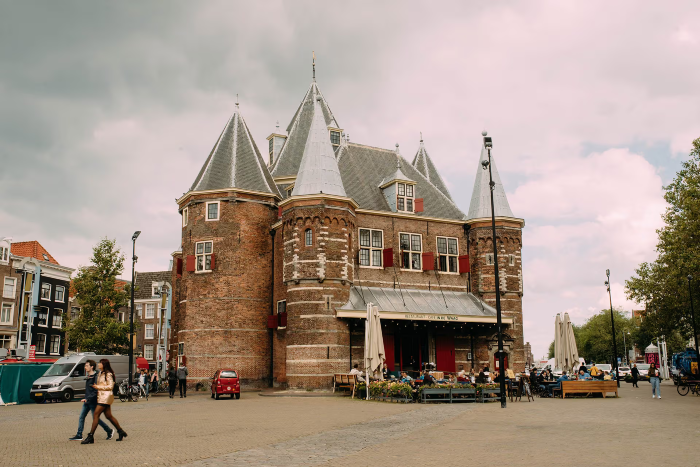
The Dutch already solved this once, centuries before anyone called it a "collective." Guilds worked on precisely this logic: independent craftsmen who kept their own workshops and their own reputations, but pooled resources, training, and bargaining power under one roof when a commission was too large for any single workshop to take on alone. The Waag Future Lab in Amsterdam is the physical proof still standing, originally a guild weigh house, now repurposed as a working space for collective research and technology projects. Same underlying architecture of behavior, four hundred years apart: stay independent day to day, plug into the collective exactly when the job outgrows you.
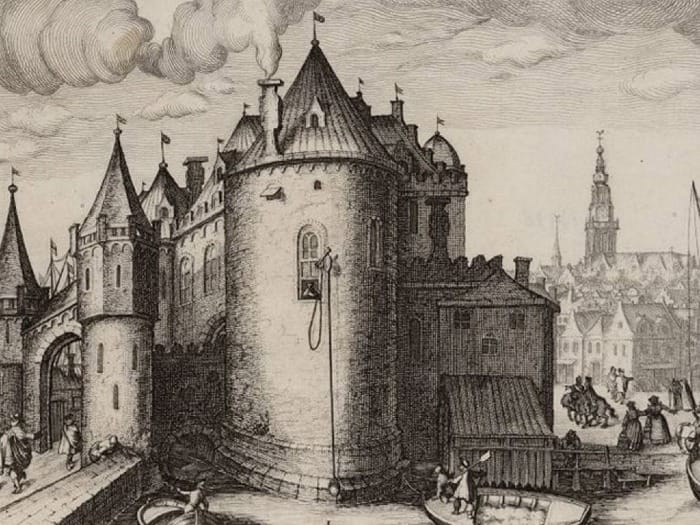
The consulting collective is just the latest name for a spatial instinct that never went away, but spent a few centuries waiting for real estate to build a room for it again.