Dead hours real estate
Our Original Elephant Trunk Coffee split costs and exposure with the venues that hosted it, proof that positioning can outperform paying for your own address.
#006
Observation
Walk past any fine dining restaurant all over the world at nine in the morning and you'll see the same thing: a dark room, chairs stacked or turned up on tables, a space worth tens of thousands of dollars a month sitting completely idle. These restaurants don't open until five in the afternoon. Which means a location some entrepreneur would go bankrupt trying to lease sits empty for six, seven, sometimes eight hours a day, every single day, for no reason other than nobody's figured out what to do with the gap.
Interpretation
Most people chasing a retail dream go looking for a hole in the market, an underserved neighborhood, a cuisine nobody's doing yet, a price point competitors have missed. One of our Originals (Elephant Trunk Coffee) went looking somewhere else entirely. We weren't hunting for a gap in what people wanted, but for a gap in the clock. That's a fundamentally different search, and it changes what "opportunity" even means. If the competition is weak somewhere, you still have to fight for customers. If the clock is simply sitting unused, there's no fight at all, there's just an empty room asking to be filled.
Pattern
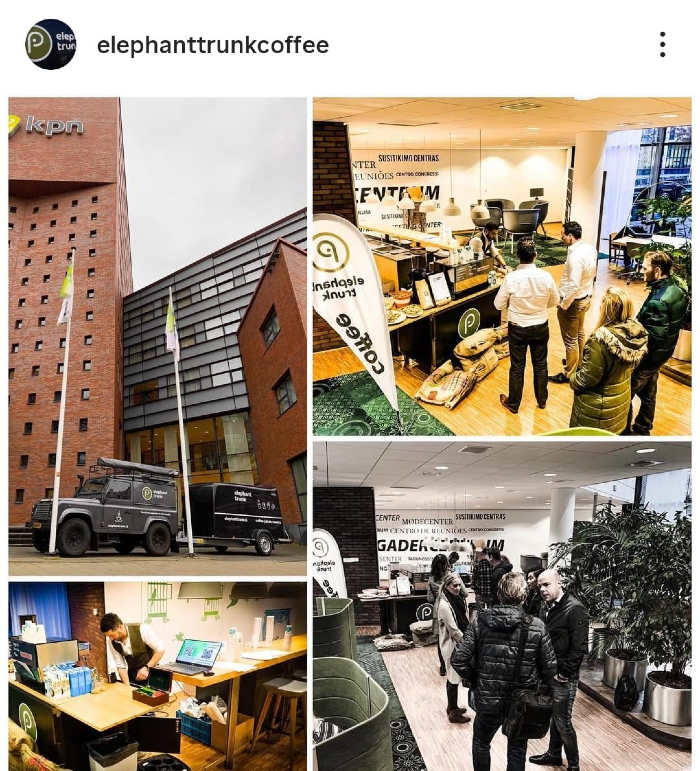
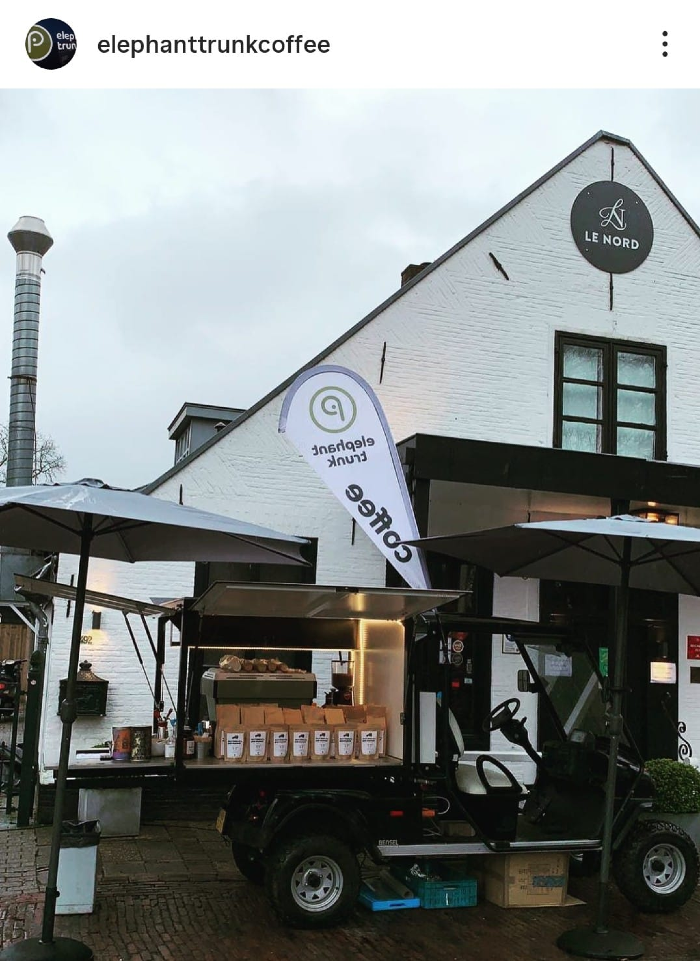
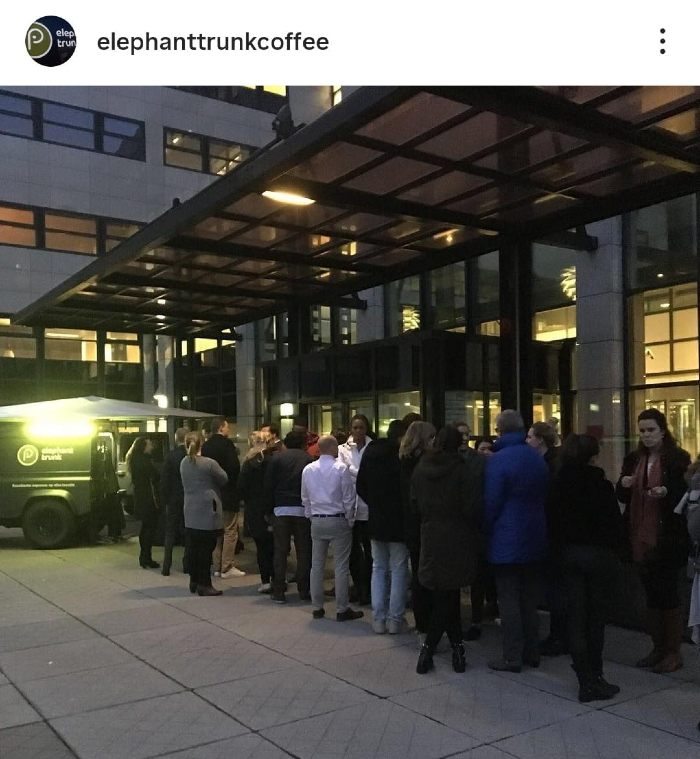
Think of a coffee company, which doesn't lease a single square foot. It borrows it. Instead of signing a lease, it sets up a revenue-sharing arrangement with the restaurant. Monday through Friday mornings, the dark hours turn into a crowded coffee shop with espresso, the best teas, and pastries from our own bakery, and by early afternoon it hands the room back, cleaned and ready for dinner service. The restaurant earns money from hours that used to earn nothing. The coffee company gets a location inside one of the nicer rooms on the best locations without ever touching a commercial lease. The espresso machine that used to sit cold until 5 p.m. now runs all morning too, which if anything just keeps the equipment in better condition. Nobody loses anything they were already using. Everybody gains something they weren't. Collaborations like these must be a perfect fit though (if you're serving the best specialty coffees you can't use a fully automatic coffee machine for example, it simply is a no go for your concept).
Example
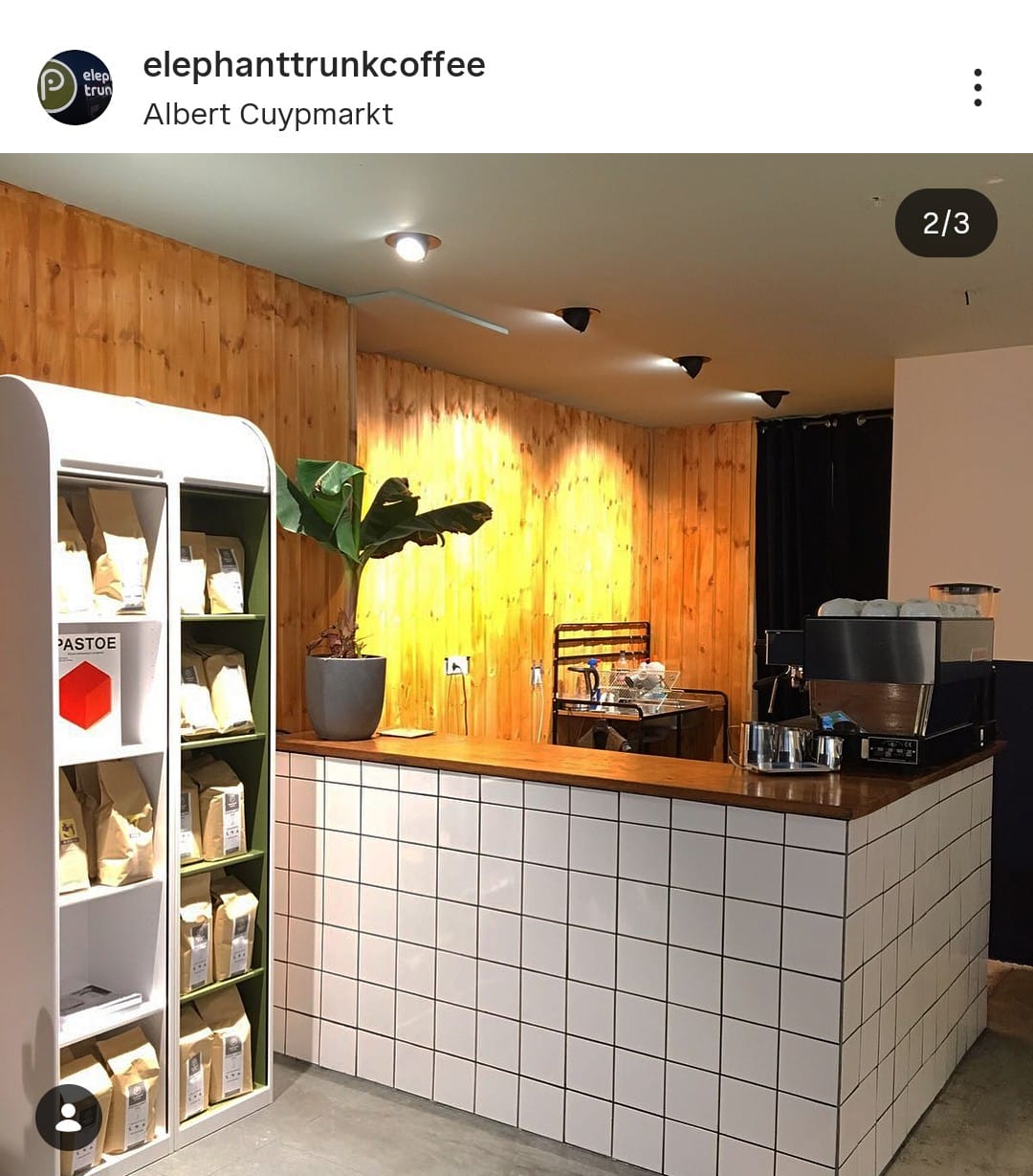
We've been running a version of this ourselves since 2015, with the Original Elephant Trunk Coffee concept. Instead of signing our own lease and carrying the full cost alone, we placed it inside spaces that were already paying rent for hours they weren't using. The costs got split, and so did the upside, their customers discovered us, our customers discovered them, and neither side had to explain the arrangement to justify it. It worked in the most literal sense: two businesses sharing one address, splitting one bill, and both walking away with more exposure than either would have bought on their own.
The bigger application
The same logic scales past hospitality without much translation. Office buildings sit half-used constantly , evenings, weekends, entire floors between leases, and most owners treat that dead time as pure loss instead of inventory. Drop the right concept into that gap, market it properly, and something interesting happens: a successful anchor doesn't just generate its own revenue, it changes how the building itself gets perceived. A building known for hosting something people actually want to be inside of reads differently to a prospective tenant than an anonymous block of empty floors ever could. The dead hours were never really dead. They were just unpriced.
Question
So was our Original Elephant Trunk Coffee a genius, or just the company paying attention? Genuinely worth asking, because the honest answer is probably both, and it's the second half that should bother most operators more than it does. The insight itself wasn't complicated. Somebody just had to actually look at a closed restaurant at nine in the morning and ask why it was closed at all.
Capital gets you a lease. Positioning gets you the room without one. Most people wait for the first before they'll consider the second, and that's the whole gap we walked straight into.