
Two kinds of density, and only one of them keeps a street alive
A high FAR number doesn't mean a street is alive. Why physical density and social density are different things, and what Dutch high streets get right.
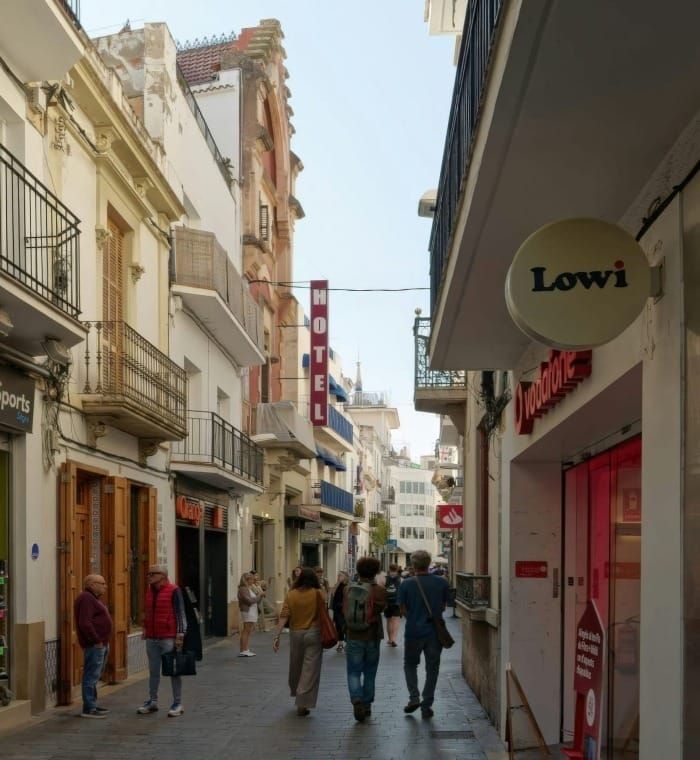
#004
Observation
Look at the planning documents for almost any new development and the story is the same: more floors, a higher floor-area ratio, more site coverage than the last approval. Then go stand on the sidewalk in front of it on a Tuesday afternoon. Nobody's there. The paperwork says the project is a success but your own eyes say something else.
Interpretation
The disconnect exists because we're tracking one thing and calling it another. What gets measured on a planning report is a quantity: how many square meters exist, how many units were stacked, how much of the lot got covered. None of that tells you what actually happens once the building is finished. What actually matters is a different, harder-to-measure condition: whether people show up, whether they linger, whether the place gets used the way it was designed to be used. A tower can hit every target and still sit there empty at street level.
Pattern
Where this breaks down is almost always the ground floor. A blind wall running the length of a block, a lobby sealed off behind glass and a security desk, a building set so far back from the sidewalk that nobody passing by even registers it as part of the street. The upper floors can be packed with units, none of that matters if the base of the building gives a pedestrian no reason to slow down. Compare that to a stretch of small storefronts, mixed uses stacked close together, short blocks, doors that open right onto the pavement, buildings that are objectively less tall consistently draw more foot traffic and more lingering than a tower ringed by an empty plaza. Jane Jacobs made this exact argument back in 1961: what makes a place feel urban was never about how high the skyline reaches. It comes down to one blunt question: is there anyone actually out there using it?
Question
So why do cities keep treating "we hit our density number" as the win, when the street it produced is often lifeless? At what point does a metric stop being useful because it measures the wrong layer of the city entirely?

Example
Dutch high streets make the point without needing much explanation. Walk the Nieuwendijk in Amsterdam, or the old center of Haarlem or Deventer, and you won't find a single tower. What you'll find is two or three stories, narrow shopfronts packed edge to edge, entrances that spill straight onto the street with nothing in between. None of it scores especially high on a density chart. All of it is full of people: cycling past slowly enough to glance in a window, stopping for coffee, sitting outside a café for twenty minutes longer than they meant to. The Dutch got the street right not by building taller, but by keeping everything close to eye level and close to the pavement.
Real success is whether the street below it gives anyone a reason to stay. So when you picture a place that's actually managed this, where does your mind go? A lot of people land on Paris: worth asking, though, whether that's the grand boulevards talking, or the café terrace on the corner that's never empty.